 +91-40-42456666 (24*7)
A child’s vision plays a foundational role in physical, cognitive, and emotional development. From recognising faces and objects to learning how to read and write, eyesight supports almost every milestone of early growth. Yet, many parents delay a child eye checkup in KPHB because they assume will be obvious. In reality, children often do not realise they are seeing poorly, and vision issues may silently affect learning, coordination, and confidence. This makes early and regular eye examinations an essential part of child healthcare rather than an optional one.
Vision develops rapidly during the first few years of life, and even minor disturbances during this phase can affect how the brain processes visual information. A timely child eye examination helps identify problems such as refractive errors, squint, lazy eye, or focusing difficulties before they cause permanent damage. While schools may conduct basic screenings, these cannot replace a complete eye test for children performed by a trained specialist. Reputed centers such as Medivision Eye Care emphasise preventive pediatric eye care to ensure healthy visual development from infancy onward. Understanding when and why children need eye checkups empowers parents to take proactive steps in protecting their children’s eye health.
Why Child Eye Checkups Are Important from an Early Age
A child’s visual system is still developing during the early years, making this period extremely sensitive to undetected vision problems. A routine child eye checkup during infancy and early childhood allows doctors to ensure that both eyes are developing equally and working together correctly. If a vision issue is detected early, treatment is often simpler and more effective compared to intervention later in life.
Many childhood eye conditions do not present obvious symptoms. For example, a child with one weaker eye may rely on the stronger eye without showing visible discomfort. Without a professional child eye examination, parents may never realize a problem exists. Conditions such as amblyopia or focusing disorders can interfere with reading ability, attention span, and hand-eye coordination. This is why an early eye checkup for kids is critical, even when no complaints are present.
Another important factor is that children may not be able to communicate vision difficulties clearly. They may assume that everyone sees the same way they do. Regular children’s vision screening ensures that vision problems are not mistaken for behavioral or learning issues. Medivision Eye Care consistently advises parents that proactive eye care supports not only eyesight but also academic success and emotional confidence. Making eye checkups part of routine child healthcare ensures that vision supports growth rather than becoming a hidden obstacle.
When Should a Child Have Their First Eye Checkup?
One of the most common questions parents ask is, “When should a child have an eye checkup?” Eye care experts recommend the first child eye checkup as early as six months of age. At this stage, doctors assess eye movement, alignment, and visual response to ensure normal development. The next recommended eye checkup for toddlers usually occurs around three years of age, followed by another exam before the child starts school.
These early visits help detect congenital issues, squint, or focusing problems before they interfere with learning. As children grow older, their visual demands increase, especially during school years. This makes regular eye checkups for school-going children extremely important. Reading from boards, extended screen use, and close-up work may reveal vision issues that were not noticeable earlier.
Parents should not rely solely on school screenings, as they often test only basic distance vision. A comprehensive pediatric eye care evaluation checks depth perception, eye coordination, and overall eye health. Medivision Eye Care recommends routine exams every one to two years, depending on the child’s age and risk factors. Scheduling eye exams proactively ensures vision problems are detected before they affect academic performance or daily activities.
Signs of Vision Problems in Children Parents Should Watch
Children rarely complain about vision problems, which makes parental observation crucial. Some of the most common signs of vision problems in children include squinting, frequent blinking, tilting the head, covering one eye, or sitting too close to screens. Headaches after school, poor concentration, or avoiding reading activities may also indicate underlying vision issues.
Behavioural changes are another important clue. A child who appears clumsy, struggles with hand-eye coordination, or becomes frustrated during homework may be experiencing vision problems in children rather than attention issues. Eye rubbing, excessive tearing, or light sensitivity should also prompt an immediate child eye checkup.
Parents often assume these signs are temporary or related to fatigue, but ignoring them can delay diagnosis. Consulting a child eye doctor or pediatric eye specialist allows accurate assessment and early treatment. Medivision Eye Care highlights that early recognition of symptoms leads to better outcomes and prevents long-term visual complications. Trusting instincts and scheduling an eye exam at the first sign of concern can make a significant difference in a child’s visual development.
What Happens During a Child’s Eye Examination?
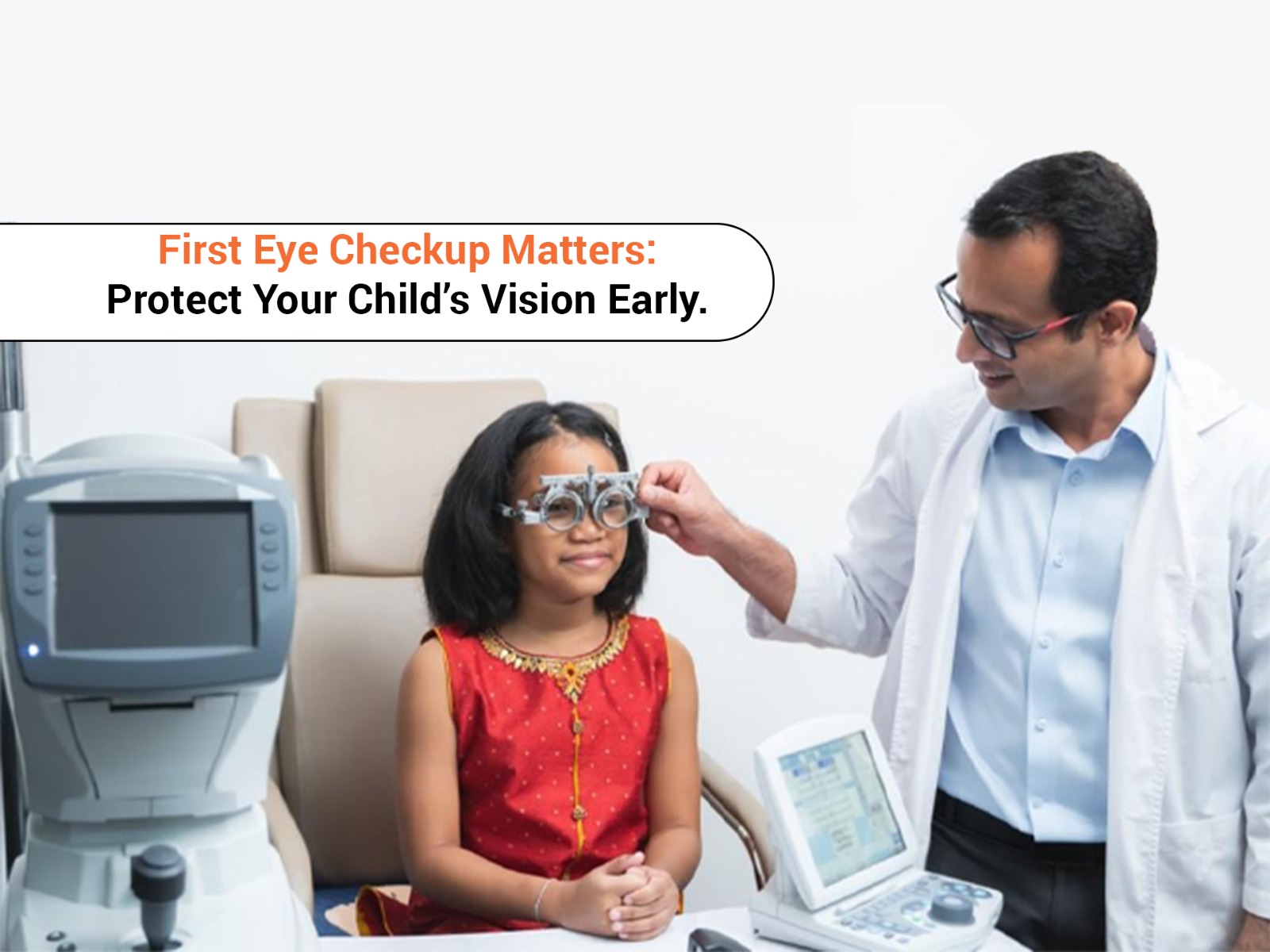
A child’s eye examination is designed to be gentle, age-appropriate, and stress-free. For infants, doctors observe how the eyes track movement, respond to light, and work together. Toddlers and preschoolers may be assessed using pictures, shapes, or matching games instead of letters. Older children undergo standard vision testing along with checks for focusing ability, eye alignment, and eye health.
Parents often worry that their child may not cooperate, but pediatric eye specialists are trained to work patiently with children. A comprehensive eye test for children goes beyond checking clarity of vision; it evaluates how well the eyes function as a team. This includes depth perception, peripheral vision, and internal eye health.
The goal of the exam is not just to prescribe glasses but to ensure healthy visual development. Medivision Eye Care creates a child-friendly environment that helps children feel comfortable and relaxed during the exam. When eye checkups are positive experiences, children are more likely to cooperate during future visits, making long-term eye care easier for both parents and doctors.
Common Eye Conditions Detected During Child Eye Checkups
Routine children’s vision screening helps identify a range of common eye conditions at an early stage. Refractive errors such as nearsightedness, farsightedness, and astigmatism are frequently diagnosed during childhood. Squint and lazy eye are other conditions that require timely intervention for effective treatment. Early diagnosis through a child’s eye checkup improves the chances of successful correction.
Digital eye strain has also become increasingly common due to screen exposure. Some children experience dryness, blurred vision, or focusing issues related to prolonged device use. Allergic eye conditions may cause itching, redness, and watering, affecting comfort and concentration. Early treatment prevents these issues from becoming chronic.
Medivision Eye Care focuses on personalized treatment plans based on the child’s age, lifestyle, and visual needs. By detecting problems early, doctors can recommend glasses, exercises, or other interventions that support normal vision development. Regular eye exams ensure that children’s eye health remains strong through every stage of growth.
Conclusion
After the initial exams in infancy and early childhood, most experts recommend a child’s eye checkup every one to two years. Children who wear glasses or have known eye conditions may need more frequent visits. Parents should also schedule an eye exam whenever there is a noticeable change in behavior, school performance, or visual comfort.
Parents play a vital role in protecting children’s eye health. Encouraging outdoor play, limiting excessive screen time, ensuring proper lighting during reading, and providing a balanced diet all support healthy vision. Teaching children good eye hygiene and reducing eye strain habits also helps maintain comfort.
However, lifestyle habits alone cannot replace professional care. Regular eye exams with a pediatric eye specialist ensure that vision supports learning and development at every stage. Medivision Eye Care works closely with parents to educate them about proactive eye care and long-term vision protection, reinforcing the importance of consistency in children’s eye checkups.
FAQs
1. When should my child have their first eye checkup?
The first child eye checkup is recommended at around six months of age.
2. How often should children have eye exams?
Most children should have an eye exam every one to two years.
3. Are school vision screenings enough?
No, they do not replace a comprehensive child eye examination.
4. What are the early signs of vision problems in children?
Squinting, headaches, eye rubbing, and poor concentration are common signs.
5. Can early eye checkups prevent long-term vision problems?
Yes, early detection allows timely treatment and better visual outcomes.

