 +91-40-42456666 (24*7)

As people grow older, giving proper attention to eye health becomes more essential for preserving clear vision. Many people begin experiencing vision problems after the age of 50, and cataracts are one of the most common causes of blurred vision among older adults. To support early detection and better eye care, Medivision Eye Care Centre in KPHB, Hyderabad is offering a Free Cataract Consultation for 50+ Age in Kukatpally for a limited time. This special initiative helps senior citizens identify cataract symptoms early and receive expert guidance from experienced eye specialists. Cataracts develop when the natural lens of the eye becomes cloudy, affecting the ability to see clearly. In the early stages, people may not notice significant changes in vision, but as the condition progresses, it can lead to blurred vision, glare from lights, and difficulty seeing clearly at night. Many individuals ignore these symptoms until they become severe. Through the Free Cataract Consultation for 50+ Age in Kukatpally, eye specialists at Medivision Eye Care Centre perform detailed eye examinations to detect cataracts early and recommend appropriate treatment options. Recognizing Cataracts and the Signs They Cause A cataract develops when proteins within the eye’s natural lens gradually deteriorate, leading to the formation of cloudy patches that blur vision. The lens, which is normally clear, plays a crucial role in focusing light onto the retina. When the lens becomes cloudy, it interferes with the passage of light, leading to blurry or distorted vision. Cataracts usually develop gradually, and many people may not notice the symptoms in the early stages. However, as the cataract grows, it can significantly affect everyday activities such as reading, driving, or recognizing faces. Common signs of cataracts may include: Blurred or hazy vision Sensitivity to bright lights or glare Difficulty seeing clearly at night Colors appearing dull or yellowish Frequent changes in eyeglass prescriptions Noticing halo-like rings around lights If you are experiencing any of these symptoms, it is important to consult a qualified eye specialist. Residents in Kukatpally, KPHB, and nearby areas of Hyderabad can benefit from visiting Medivision Eye Care Centre for a professional eye examination. Why Cataract Screening is Important After Age 50 Eye health tends to change as people grow older. After the age of 50, the risk of developing cataracts increases significantly. Regular eye examinations can help detect cataracts before they begin to severely affect vision. Many people delay eye check-ups because they believe mild vision changes are a normal part of aging. However, early diagnosis allows doctors to monitor cataract progression and recommend treatment at the right time. The Free Cataract Consultation for 50+ Age in Kukatpally is designed to encourage senior citizens to prioritize their eye health. By offering a comprehensive eye examination without consultation charges, Medivision Eye Care Centre in Kukatpally ensures that more people have access to professional eye care. What to Expect During a Cataract Evaluation During a cataract consultation, ophthalmologists conduct a detailed eye examination to assess the clarity of the lens and overall eye health. The evaluation typically includes vision testing, slit-lamp examination, and retinal assessment. The doctor carefully examines the lens to check for any signs of cloudiness or cataract formation. If cataracts are detected, the specialist explains the condition and discusses possible treatment options. At Medivision Eye Care Centre, skilled eye specialists offer tailored advice and treatment recommendations according to each patient’s specific eye condition. Patients also receive recommendations on lifestyle habits and preventive care to maintain healthy vision. Advanced Cataract Treatment Options Over the years, cataract treatment methods have improved greatly with the development of modern medical technology. When cataracts begin to interfere with daily activities, surgery is often recommended as the most effective treatment. Modern cataract surgery involves removing the cloudy lens and replacing it with a clear artificial intraocular lens. The procedure is quick, safe, and highly effective in restoring vision. Medivision Eye Care Centre Hyderabad uses advanced diagnostic equipment and modern surgical techniques to ensure safe and successful cataract treatment. With skilled ophthalmologists and advanced medical infrastructure, the hospital delivers exceptional eye care services to patients in Kukatpally, KPHB, and surrounding regions. Benefits of Early Cataract Detection Early detection of cataracts can significantly improve treatment outcomes and help prevent severe vision impairment. Regular eye examinations allow doctors to monitor changes in the eye and recommend treatment at the appropriate stage. By participating in the Free Cataract Consultation for 50+ Age in Kukatpally, individuals above 50 can gain a better understanding of their eye health and take preventive measures to protect their vision. Some key benefits of early detection include: Preventing severe vision loss Monitoring cataract progression Identifying other eye conditions early Receiving expert medical guidance Improving overall eye health Why Choose Medivision Eye Care Centre in Kukatpally Medivision Eye Care Centre is known for providing comprehensive eye care services in Hyderabad. Located conveniently in KPHB near Kukatpally, the hospital is equipped with modern ophthalmic technology and experienced eye specialists. The center offers a wide range of eye care services including cataract diagnosis, cataract surgery, retina treatment, and general eye examinations. Patients receive personalized care and expert treatment from qualified ophthalmologists. For those looking for a leading eye hospital in Kukatpally or a skilled cataract specialist in Hyderabad, Medivision Eye Care Centre stands out as a reliable choice for quality eye care. Who Should Take Advantage of the Free Consultation The consultation program is specifically designed for individuals above the age of 50 who want to ensure their eyes remain healthy as they age. People who should consider booking an appointment include: Individuals above 50 years of age People experiencing blurred or cloudy vision Those who have difficulty seeing at night Individuals with diabetes or other health conditions affecting vision Anyone who has not had an eye check-up in the last year Residents of Kukatpally, KPHB, Miyapur, and surrounding areas of Hyderabad are encouraged to visit Medivision Eye Care Centre for a professional eye evaluation. Tips to Maintain Healthy Eyes After 50 Maintaining good eye health requires regular check-ups

Vision Loss in Older Adults: When to Seek Professional Help
Vision plays a vital role in maintaining independence and quality of life, especially for older adults. As people age, it is common to experience certain changes in eyesight, such as difficulty reading small text or adjusting to low light. While some vision changes are a natural part of aging, others may signal serious eye conditions that require medical attention. Many seniors delay seeking help because they believe these symptoms are normal. However, early diagnosis and timely Vision Loss Treatment in Kukatpally can prevent complications and help preserve vision for a longer period. When vision problems begin to affect daily activities such as reading, driving, or recognizing faces, it becomes essential to consult an experienced eye specialist in Kukatpally. Professional evaluation helps determine whether the symptoms are related to normal aging or an underlying eye disease that needs treatment. Regular eye examinations and early medical care can make a significant difference in protecting eye health. Understanding How Aging Impacts Eyesight As the human body ages, the eyes also undergo gradual changes that can affect vision. The eye lens becomes less flexible over time, making it harder to focus on nearby objects. This condition, often referred to as age-related farsightedness, commonly affects people over the age of 40. Older adults may also experience reduced tear production, which can lead to dryness, irritation, and blurred vision. Additionally, the retina becomes more vulnerable to damage, and the risk of developing age-related eye diseases increases significantly. Although these changes may seem mild initially, they can progress if left untreated. Seniors who notice persistent vision issues should consider visiting a trusted eye care center in Kukatpally for a comprehensive eye examination. Eye specialists can evaluate the condition of the retina, lens, and optic nerve to identify potential problems. Early detection allows doctors to recommend appropriate Vision Loss Treatment in Kukatpally, helping seniors maintain clear and comfortable vision. How Cataracts and Aging Affect Your Vision One of the most common causes of vision loss among older adults is Cataract. Cataracts develop when the eye’s natural lens becomes cloudy, causing blurred or hazy vision. As the condition progresses, individuals may experience difficulty seeing at night, increased sensitivity to bright lights, and fading of colors. Cataracts usually develop slowly, which is why many seniors do not immediately realize the impact on their vision. Fortunately, modern Cataract treatment in Kukatpally offers a safe and highly effective solution. Cataract surgery involves removing the cloudy lens and replacing it with a clear artificial lens that restores vision. The procedure is commonly performed and has a high success rate. By visiting a leading eye hospital in Kukatpally, seniors can access advanced diagnostic technology and specialized surgical treatments that help restore clear vision and enhance their overall quality of life. Macular Degeneration and Central Vision Problems Another significant cause of vision impairment in older adults is Age-related macular degeneration. This condition impacts the macula, the central area of the retina that plays a key role in providing sharp and detailed vision. People with macular degeneration often notice blurred central vision, difficulty recognizing faces, or distortion when viewing straight lines. These changes can interfere with everyday activities such as reading, watching television, or driving. Although macular degeneration cannot always be completely cured, early diagnosis can help slow its progression. Consulting a skilled retina specialist in Kukatpally allows patients to receive specialized care and monitoring. Advanced imaging technology helps doctors detect subtle changes in the retina and recommend suitable Vision Loss Treatment in Kukatpally to preserve vision for as long as possible. Glaucoma and Silent Vision Damage Glaucoma is another serious eye condition that often develops without noticeable symptoms in the early stages. It occurs when increased pressure within the eye damages the optic nerve, which is responsible for transmitting visual information to the brain. Because the damage occurs gradually, many individuals remain unaware of the condition until significant vision loss has occurred. Without timely treatment, glaucoma may cause irreversible vision loss and eventually result in blindness. However, regular eye examinations can help detect the disease before it causes severe damage. Visiting a reliable eye care center in Kukatpally allows doctors to measure eye pressure and evaluate optic nerve health. Early detection enables doctors to begin Vision Loss Treatment in Kukatpally through medications, laser therapy, or other procedures that help control eye pressure and protect vision. Diabetic Retinopathy and Eye Health For seniors living with diabetes, eye health becomes even more important. Diabetic Retinopathy is a condition that develops when high blood sugar levels damage the small blood vessels in the retina. Over time, these damaged vessels may leak fluid or bleed, causing blurred vision, dark spots, or floaters in the field of vision. If not treated promptly, diabetic retinopathy can lead to severe vision impairment. Regular monitoring by a retina specialist in Kukatpally is essential for seniors with diabetes. Comprehensive retinal examinations allow doctors to detect early signs of damage and recommend appropriate Vision Loss Treatment in Kukatpally. Treatments may include laser therapy, medications, or advanced procedures designed to stabilize retinal health and prevent further complications. Warning Signs That Require Immediate Eye Care While gradual vision changes are common with age, certain symptoms should never be ignored. Sudden vision loss, flashes of light, severe eye pain, or a sudden increase in floaters may indicate a serious eye condition that requires immediate medical attention. These symptoms could be related to retinal detachment, advanced glaucoma, or other urgent eye problems. In such situations, it is important to consult an experienced eye specialist in Kukatpally as soon as possible. Early evaluation helps identify the underlying cause and ensures that patients receive timely Vision Loss Treatment in Kukatpally. Seeking care from the best eye hospital in Kukatpally ensures access to advanced diagnostic technology and specialized treatment options that protect vision. Importance of Regular Eye Checkups for Seniors Routine eye examinations are one of the most effective ways to protect vision in older adults. Many eye diseases develop gradually and do not show noticeable symptoms until they reach advanced

Is Laser Eye Surgery Safe During Pregnancy? Myths vs Medical Facts
Pregnancy is a transformative phase that brings visible and invisible changes throughout the body. While most people are aware of changes like weight gain, hormonal fluctuations, and fatigue, fewer realize that pregnancy can also affect vision. Many expectant mothers experience blurred eyesight, increased dryness, light sensitivity, or fluctuating vision during pregnancy. These changes often prompt questions about whether vision correction procedures can still be safely performed. One of the most frequently asked questions in ophthalmology today is whether laser eye surgery during pregnancy is safe. With LASIK and other laser vision correction procedures widely promoted as quick, painless, and effective, it is understandable that women planning pregnancy or already pregnant seek clarity. However, pregnancy introduces temporary but significant physiological changes that directly influence eye structure and healing. Medical professionals consistently advise against undergoing elective eye surgery during pregnancy, not due to fear or outdated beliefs, but because of scientific evidence related to vision stability and long-term outcomes. Trusted eye care centers such as Medivision Eye Care strongly recommend postponing laser eye procedures until after pregnancy and breastfeeding to ensure accuracy, safety, and lasting visual satisfaction. How Pregnancy Affects Vision: The Medical Reality Pregnancy-related hormonal changes, especially increases in estrogen and progesterone, can significantly influence eye health. These hormones affect corneal thickness, curvature, and hydration, which are critical factors in laser vision correction. As a result, many women experience temporary vision changes during pregnancy, even if they previously had stable eyesight. These changes are the primary reason why laser vision correction during pregnancy is medically discouraged. Another common issue is dry eyes. Pregnancy often reduces tear production, leading to irritation, redness, and discomfort. LASIK itself can temporarily worsen dry eye symptoms, and combining the two increases post-surgical discomfort and delays healing. Additionally, pregnancy may affect immune response and tissue repair, which are essential for proper recovery after eye surgery. Because LASIK permanently reshapes the cornea, surgeons rely on precise measurements taken before surgery. If these measurements are influenced by pregnancy hormones, the final correction may become inaccurate once hormones return to normal levels. This unpredictability explains why hormonal changes and LASIK surgery are considered incompatible.Medivision Eye Care consistently educates patients that waiting until hormonal balance is restored ensures safer surgery and more predictable visual outcomes. LASIK Is Safe During Pregnancy Because It’s a Minor Procedure A widespread misconception is that LASIK is a minor, surface-level procedure and therefore safe during pregnancy. While LASIK is indeed minimally invasive and highly successful for suitable candidates, pregnancy changes the biological environment in which the surgery is performed. The belief that LASIK is safe during pregnancy ignores how pregnancy alters corneal structure, tear stability, and healing response. LASIK depends on stable eye measurements. If surgery is performed while hormones are fluctuating, the correction may no longer be accurate after pregnancy. This can result in under-correction, over-correction, or the need for enhancement procedures later. In addition, postoperative medications such as antibiotics and steroid eye drops may not be ideal during pregnancy. Doctors clearly explain why LASIK is not recommended during pregnancy, not because the procedure is dangerous in itself, but because timing directly affects accuracy and long-term results. Medivision Eye Care follows strict clinical guidelines and avoids elective refractive surgery during pregnancy to protect patients from preventable complications and dissatisfaction. Laser Eye Surgery Can Directly Harm the Baby Another common fear is that laser eye surgery could directly harm the unborn baby. From a medical standpoint, LASIK does not involve radiation or systemic exposure that would reach the fetus. The laser is applied only to the cornea and does not affect internal organs. However, this does not mean eye surgery during pregnancy is recommended. The concern lies in indirect risks. Surgery-related stress, prolonged positioning, and medication exposure may not be ideal during pregnancy. Managing postoperative discomfort, dryness, and healing can also be challenging for expectant mothers. For these reasons, LASIK surgery during pregnancy outweighs the potential benefits, especially since the procedure is elective rather than urgent. This distinction is essential in understanding medical advice on LASIK during pregnancy. Doctors discourage the procedure not because it harms the baby, but because it is unnecessary and avoidable during a time when the body is already under significant physiological stress. Medivision Eye Care consistently advises expectant mothers to prioritize maternal comfort, safety, and long-term vision accuracy. Vision Changes During Pregnancy & Common Eye Problems Many women experience noticeable vision changes during pregnancy. These may include blurred vision, increased sensitivity to light, difficulty wearing contact lenses, or fluctuating prescription needs. Such vision changes during pregnancy are usually temporary and resolve after childbirth and breastfeeding. Pregnancy can also worsen existing eye conditions such as dry eye syndrome or diabetic retinopathy. Women with diabetes or high blood pressure require regular eye monitoring, as pregnancy can accelerate retinal changes. These eye problems during pregnancy should not be ignored but must be managed conservatively and safely. Understanding that these changes are temporary helps explain why laser eye surgery should be delayed. Performing LASIK during a phase of unstable vision can compromise accuracy and long-term outcomes. Medivision Eye Care focuses on monitoring eye health during pregnancy and planning vision correction only after stability returns. LASIK Before or After Pregnancy: What Doctors Recommend A common question among women planning families is whether to undergo LASIK before or after pregnancy. From a medical perspective, LASIK before or after pregnancy should always favor stability. LASIK can be safely performed before pregnancy if vision has been stable for at least one year. However, undergoing LASIK during pregnancy is not advised. Most specialists recommend waiting at least three to six months after delivery and completing breastfeeding before considering LASIK. Breastfeeding continues to influence hormone levels and tear production, which can still affect vision stability. Deciding when to get LASIK after pregnancy depends on individual recovery, hormonal balance, and eye health. Medivision Eye Care recommends reassessing candidacy only after the body has fully recovered from pregnancy and breastfeeding. This ensures that LASIK provides lasting correction rather than temporary improvement. Safe
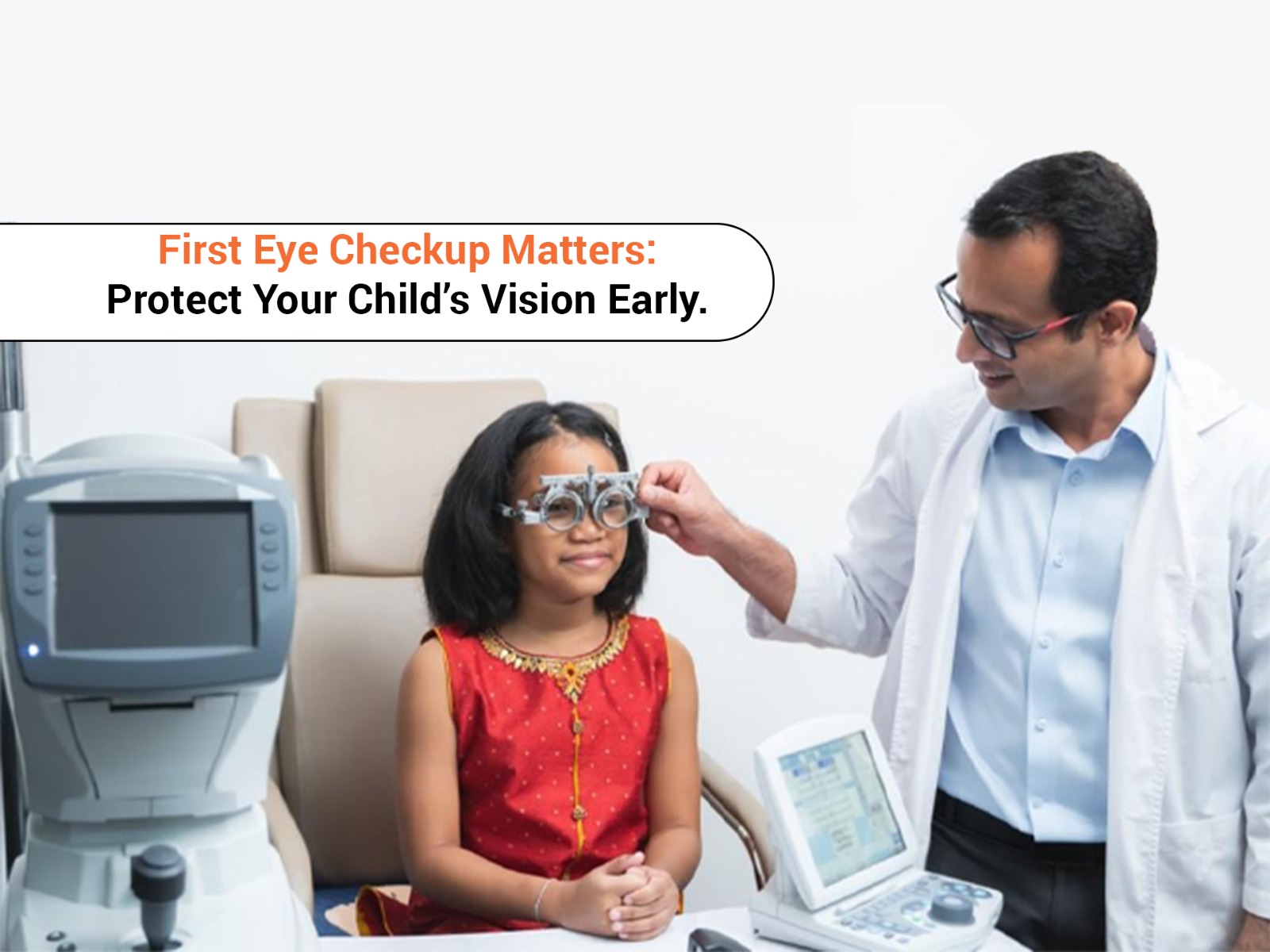
Child Eye Care Guide: When Should Your Child Have Their First Eye Checkup?
A child’s vision plays a foundational role in physical, cognitive, and emotional development. From recognising faces and objects to learning how to read and write, eyesight supports almost every milestone of early growth. Yet, many parents delay a child eye checkup in KPHB because they assume will be obvious. In reality, children often do not realise they are seeing poorly, and vision issues may silently affect learning, coordination, and confidence. This makes early and regular eye examinations an essential part of child healthcare rather than an optional one. Vision develops rapidly during the first few years of life, and even minor disturbances during this phase can affect how the brain processes visual information. A timely child eye examination helps identify problems such as refractive errors, squint, lazy eye, or focusing difficulties before they cause permanent damage. While schools may conduct basic screenings, these cannot replace a complete eye test for children performed by a trained specialist. Reputed centers such as Medivision Eye Care emphasise preventive pediatric eye care to ensure healthy visual development from infancy onward. Understanding when and why children need eye checkups empowers parents to take proactive steps in protecting their children’s eye health. Why Child Eye Checkups Are Important from an Early Age A child’s visual system is still developing during the early years, making this period extremely sensitive to undetected vision problems. A routine child eye checkup during infancy and early childhood allows doctors to ensure that both eyes are developing equally and working together correctly. If a vision issue is detected early, treatment is often simpler and more effective compared to intervention later in life. Many childhood eye conditions do not present obvious symptoms. For example, a child with one weaker eye may rely on the stronger eye without showing visible discomfort. Without a professional child eye examination, parents may never realize a problem exists. Conditions such as amblyopia or focusing disorders can interfere with reading ability, attention span, and hand-eye coordination. This is why an early eye checkup for kids is critical, even when no complaints are present. Another important factor is that children may not be able to communicate vision difficulties clearly. They may assume that everyone sees the same way they do. Regular children’s vision screening ensures that vision problems are not mistaken for behavioral or learning issues. Medivision Eye Care consistently advises parents that proactive eye care supports not only eyesight but also academic success and emotional confidence. Making eye checkups part of routine child healthcare ensures that vision supports growth rather than becoming a hidden obstacle. When Should a Child Have Their First Eye Checkup? One of the most common questions parents ask is, “When should a child have an eye checkup?” Eye care experts recommend the first child eye checkup as early as six months of age. At this stage, doctors assess eye movement, alignment, and visual response to ensure normal development. The next recommended eye checkup for toddlers usually occurs around three years of age, followed by another exam before the child starts school. These early visits help detect congenital issues, squint, or focusing problems before they interfere with learning. As children grow older, their visual demands increase, especially during school years. This makes regular eye checkups for school-going children extremely important. Reading from boards, extended screen use, and close-up work may reveal vision issues that were not noticeable earlier. Parents should not rely solely on school screenings, as they often test only basic distance vision. A comprehensive pediatric eye care evaluation checks depth perception, eye coordination, and overall eye health. Medivision Eye Care recommends routine exams every one to two years, depending on the child’s age and risk factors. Scheduling eye exams proactively ensures vision problems are detected before they affect academic performance or daily activities. Signs of Vision Problems in Children Parents Should Watch Children rarely complain about vision problems, which makes parental observation crucial. Some of the most common signs of vision problems in children include squinting, frequent blinking, tilting the head, covering one eye, or sitting too close to screens. Headaches after school, poor concentration, or avoiding reading activities may also indicate underlying vision issues. Behavioural changes are another important clue. A child who appears clumsy, struggles with hand-eye coordination, or becomes frustrated during homework may be experiencing vision problems in children rather than attention issues. Eye rubbing, excessive tearing, or light sensitivity should also prompt an immediate child eye checkup. Parents often assume these signs are temporary or related to fatigue, but ignoring them can delay diagnosis. Consulting a child eye doctor or pediatric eye specialist allows accurate assessment and early treatment. Medivision Eye Care highlights that early recognition of symptoms leads to better outcomes and prevents long-term visual complications. Trusting instincts and scheduling an eye exam at the first sign of concern can make a significant difference in a child’s visual development. What Happens During a Child’s Eye Examination? A child’s eye examination is designed to be gentle, age-appropriate, and stress-free. For infants, doctors observe how the eyes track movement, respond to light, and work together. Toddlers and preschoolers may be assessed using pictures, shapes, or matching games instead of letters. Older children undergo standard vision testing along with checks for focusing ability, eye alignment, and eye health. Parents often worry that their child may not cooperate, but pediatric eye specialists are trained to work patiently with children. A comprehensive eye test for children goes beyond checking clarity of vision; it evaluates how well the eyes function as a team. This includes depth perception, peripheral vision, and internal eye health. The goal of the exam is not just to prescribe glasses but to ensure healthy visual development. Medivision Eye Care creates a child-friendly environment that helps children feel comfortable and relaxed during the exam. When eye checkups are positive experiences, children are more likely to cooperate during future visits, making long-term eye care easier for both parents and doctors. Common Eye Conditions Detected During Child Eye Checkups Routine children’s vision screening

Squint Eye Problems in Children & Adults: Causes, Treatments & Exercises
Squint eye, medically referred to as strabismus, is a condition in which both eyes fail to align properly and point in different directions. One eye may focus on the future while the other turns inward, outward, upward, or down. This condition can affect infants, children, and adults, and if left untreated, it may lead to visual discomfort, poor depth perception, or permanent vision loss in severe cases. With growing awareness and medical advancements, squint eye surgery in KPHB has become a reliable and effective option for correcting eye alignment and improving visual function for both children and adults. Many people assume squint eye problems are only cosmetic, but this is a misconception. Squint can interfere with how the brain processes visual signals, especially during childhood when vision is still developing. In adults, it may cause double vision, eye strain, headaches, and difficulty concentrating. Early diagnosis and appropriate squint eye treatment in KPHB help restore eye coordination and prevent long-term complications. Reputed centers such as Medivision Eye Care follow a structured, patient-centric approach, ensuring accurate diagnosis, conservative treatment when possible, and surgery only when truly required. Squint Eye Problems in Children: Why Early Treatment Matters Squint eye problems in children often develop due to improper coordination between the eye muscles and the brain. Common causes include uncorrected refractive errors, genetic predisposition, premature birth, neurological conditions, or developmental delays. When one eye consistently deviates, the child’s brain may begin ignoring visual input from that eye to avoid confusion, leading to amblyopia, or lazy eye. This makes squint correction for children in KPHB extremely time-sensitive. Children rarely complain of vision problems, which is why parents must be vigilant. Signs such as eye turning, head tilting, frequent blinking, or difficulty focusing should never be ignored. A consultation with a squint eye specialist in KPHB allows early detection and timely intervention. In many cases, glasses or vision therapy may help, but when misalignment persists, pediatric squint eye surgery in KPHB may be recommended to support proper visual development. Modern pediatric squint care focuses not only on cosmetic alignment but also on helping both eyes work together effectively. Early treatment significantly improves the chances of developing normal binocular vision. Medivision Eye Care strongly emphasizes early screening and parent education, ensuring children receive appropriate treatment before visual development is permanently affected. Squint Eye Problems in Adults: Causes and Symptoms Squint eye problems in adults may either continue from untreated childhood strabismus or develop later in life. Adult-onset squint often results from trauma, stroke, diabetes-related nerve damage, thyroid eye disease, or previous eye surgeries. Unlike children, adults are more likely to experience noticeable symptoms such as double vision, eye fatigue, headaches, and difficulty reading or driving. Adult squint is not just a cosmetic concern—it can significantly affect quality of life and productivity. Many adults delay treatment due to fear or the belief that squint correction is only for children. However, adult squint eye surgery in KPHB is safe, effective, and commonly performed today. A detailed evaluation by the best eye doctor for squint in KPHB helps determine whether the condition can be managed with glasses, prisms, or exercises or requires surgical correction. Advanced diagnostics allow doctors to identify the exact muscle imbalance and plan personalised treatment. Advanced squint eye treatment in KPHB aims to restore comfortable, single vision and improve eye coordination rather than just improving appearance. Medivision Eye Care offers specialized adult squint evaluation to help patients regain visual comfort and confidence. Non-Surgical Treatments and Eye Exercises for Squint Not every squint condition requires immediate surgery. In mild or early cases, non-surgical treatments may be effective, especially in children. Corrective glasses help reduce eye strain caused by refractive errors, while prism lenses can reduce double vision in adults. Vision therapy and eye exercises aim to strengthen weak muscles and improve coordination between the eyes. Eye exercises may include focusing techniques, convergence exercises, and tracking activities, usually performed under professional guidance. These methods are more effective in intermittent or functional squint rather than fixed muscle imbalance. A trusted squint eye clinic in KPHB will always evaluate non-surgical options before recommending surgery. However, exercises alone cannot correct all types of squint. When muscle imbalance is significant or persistent, surgery becomes necessary. Medivision Eye Care follows a conservative approach, ensuring surgery is recommended only when non-surgical treatments are insufficient or unlikely to deliver lasting results. When Is Squint Eye Surgery Required? Squint eye surgery is recommended when eye misalignment cannot be corrected with glasses, prisms, or exercises, or when the condition interferes with vision or daily activities. In children, pediatric squint eye surgery in KPHB is often advised to prevent lazy eye and support proper brain-eye coordination. Timing is crucial, as delayed surgery may reduce visual outcomes. In adults, eye squint correction surgery in KPHB is usually performed to eliminate double vision, reduce eye strain, and improve functional vision. Modern strabismus surgery in KPHB is highly precise and focuses on adjusting the eye muscles to restore balanced alignment. Surgery does not change the eye’s power but allows both eyes to work together more effectively. Choosing the best squint eye hospital in KPHB ensures accurate assessment, realistic expectations, and safe outcomes. Medivision Eye Care provides comprehensive pre-surgical evaluation, ensuring that surgery is performed only when truly beneficial. Squint Eye Surgery Procedure Explained Squint eye surgery is a specialised procedure performed under general anaesthesia for children and local or general anaesthesia for adults. During the surgery, the ophthalmologist adjusts the eye muscles by tightening, loosening, or repositioning them to correct alignment. The surgery usually takes one to two hours and is performed as a day-care procedure. Patients experience minimal discomfort, making it a painless squint eye surgery in KPHB with modern techniques. Mild redness, watering, or soreness is normal for a few days after surgery and gradually resolves. Medivision Eye Care follows strict surgical protocols and uses advanced techniques to ensure safety and precision during squint eye operation in KPHB, delivering predictable and stable alignment results. Recovery, Results, and Follow-Up Care
How to Choose the Best Eye Hospital in Hyderabad for LASIK, Retina & Cataract Care
Choosing the best eye hospital in KPHB or anywhere in Hyderabad is a critical healthcare decision that directly impacts long-term vision, safety, and overall quality of life. Vision influences every aspect of daily living, including work performance, mobility, driving ability, personal safety, and emotional well-being. Hyderabad has grown into a major medical hub, and many patients actively search for the best eye hospital in Hyderabad or compare lists of top eye hospitals in Hyderabad without fully understanding what defines quality eye care. Popularity, advertisements, or online ratings alone do not guarantee reliable treatment outcomes. The true value of a trusted eye hospital in KPHB lies in its clinical expertise, ethical medical practices, patient safety standards, advanced diagnostic technology, and consistent long-term results. A dependable eye care hospital in KPHB should offer much more than routine eye check-ups. It must be equipped to diagnose and manage a wide range of eye conditions while providing transparent guidance and structured long-term follow-up. This is why many patients prefer a multi-specialty eye hospital in Hyderabad, where services such as LASIK, cataract surgery, retina treatment, and pediatric eye care are available under one roof. Integrated eye services reduce diagnostic delays and improve treatment accuracy. Reputed centres such as Medivision Eye Care demonstrate how experienced eye specialists, advanced infrastructure, and patient-centric values combine to deliver reliable eye care in KPHB. Understanding these fundamentals helps patients make confident decisions based on medical quality rather than marketing influence. Importance of Location, Infrastructure, and Accessibility in KPHB Location plays a crucial role when selecting an eye hospital in KPHB, particularly for treatments requiring frequent follow-ups or long-term monitoring. Choosing a nearby eye hospital in KPHB offers convenience for residents of Kukatpally and the surrounding areas. Easy accessibility reduces travel fatigue, encourages timely reviews, and ensures continuity of care, especially for senior citizens and patients with chronic eye conditions. However, location alone should never be the deciding factor. The hospital must also function as an advanced eye care center in Hyderabad capable of delivering accurate diagnoses and safe treatment. Infrastructure directly impacts patient safety and outcomes. Hospitals recognized among the top eye hospitals in Hyderabad invest in sterile operating theaters, advanced eye diagnostic equipment, digital imaging systems, and trained nursing teams. Proper infection control, organized outpatient services, counselling areas, and post-surgery recovery rooms are essential components of quality eye treatment. Equally important are patient education and follow-up systems. Clear communication helps patients understand their eye condition, treatment plan, medication usage, and recovery timeline. Centers like Medivision Eye Care emphasize structured follow-up care, strengthening trust and long-term success in eye treatments. Choosing the Right Hospital for LASIK Eye Surgery in KPHB LASIK is one of the most popular vision correction procedures, yet it is often misunderstood. When evaluating hospitals for LASIK eye surgery in KPHB, patients must understand that LASIK is not suitable for everyone. A responsible LASIK eye hospital in KPHB prioritizes detailed pre-surgical evaluation over quick approvals. Accurate corneal mapping, tear-film analysis, refractive stability testing, and lifestyle assessment are essential before recommending surgery. An experienced LASIK surgeon in KPHB understands that safety is more important than speed. Modern procedures rely on blade-free LASIK in KPHB, using femtosecond laser technology to enhance precision and reduce complications. Many patients search for affordable LASIK surgery in Hyderabad, but affordability should never mean compromised technology or inexperienced surgeons. Ethical hospitals focus on long-term visual stability rather than promotional pricing. At Medivision Eye Care, LASIK is recommended only when medically appropriate, ensuring patient safety and predictable results. Selecting the Best Hospital for Cataract Surgery in KPHB Cataract surgery is one of the most commonly performed eye procedures, particularly among senior citizens. However, outcomes depend heavily on surgeon expertise and technology. When searching for cataract surgery in KPHB, patients should choose hospitals that offer personalized care rather than standardized solutions. A reliable cataract hospital in KPHB provides detailed presurgical evaluation, intraocular lens counselling, and structured postoperative support. Advanced techniques such as phaco cataract surgery in KPHB enable smaller incisions, faster healing, and minimal discomfort. Some hospitals also offer laser cataract surgery in KPHB, improving precision for patients opting for premium lenses. Choosing a trusted eye hospital in KPHB for cataract care ensures access to advanced treatment close to home. Medivision Eye Care follows ethical lens counselling and structured recovery protocols, helping patients restore vision, independence, and confidence. Retina Care and Treatment of Complex Eye Conditions in KPHB Retina care requires advanced expertise and timely intervention. When selecting a hospital for retina treatment in KPHB, patients must ensure access to an experienced retina specialist in Hyderabad and dedicated retina facilities. Conditions such as diabetic retinopathy treatment in KPHB, macular degeneration, and retinal detachment can progress silently and cause permanent vision loss if untreated. Hospitals offering advanced retina care in KPHB must be equipped with OCT scans, fundus photography, and angiography. Complex procedures like vitreoretinal surgery in Hyderabad require specialized operating theaters and trained surgeons. Medivision Eye Care supports structured retina management, focusing on early diagnosis and continuous monitoring to prevent irreversible vision damage. Experienced Eye Doctors, Accreditation, and Advanced Technology Technology alone cannot guarantee success without skilled professionals. The best eye doctors in KPHB are defined by experience, ethical judgment, and consistent outcomes. Patients should choose hospitals staffed with experienced ophthalmologists capable of handling both routine and complex cases confidently. An NABH-accredited eye hospital in Hyderabad follows strict standards related to patient safety, hygiene, and transparency. Hospitals equipped with the latest diagnostic and surgical technology further enhance accuracy and treatment reliability. When expertise, ethics, and technology work together, patients experience safer treatment and long-term satisfaction. Final Decision: What Defines the Best Eye Hospital in KPHB The best eye hospital in KPHB is defined by trust, transparency, multi-specialty care, and long-term patient outcomes. A hospital offering LASIK, cataract, and retina services under one roof ensures continuity and efficiency. Patients should feel informed and supported at every stage of care. Choosing the right eye hospital is an investment in lifelong vision and confidence.Consult the experienced specialists at

Cataract Surgery Explained: Types of Lenses, Procedure & Recovery Timeline
Cataracts are one of the most common causes of vision impairment and remain a leading reason for reduced eyesight among adults over the age of 50. A cataract develops when the eye’s natural lens becomes cloudy due to gradual protein changes, preventing light from passing through clearly. This leads to blurred vision, glare from lights, difficulty seeing at night, faded colours, and poor contrast sensitivity. Because cataracts progress slowly, many people ignore early symptoms or assume vision loss is a normal part of ageing. Over time, however, cataracts can interfere with essential daily activities such as reading, driving, working, or recognising faces. If you’re looking for safe, effective cataract treatment in KPHB, modern ophthalmology offersadvanced surgical options that restore vision with minimal discomfort. Today’s cataract surgery in KPHB is a quick, painless, and highly successful procedure designed to improve not just eyesight but overall quality of life. With modern diagnostic tools, precise surgical techniques, and advanced intraocular lenses, patients experience faster recovery and long-term visual clarity. Access to experienced cataract surgeons and advanced eye hospitals in KPHB has made cataract operation treatment both reliable and accessible. Understanding Cataracts and the Right Time for Cataract Surgery A cataract forms when proteins in the eye’s natural lens clump together, creating cloudiness that gradually blocks clear vision. Since this process is painless and slow, many patients delay seeking medical advice until vision loss becomes significant. Unfortunately, once cataracts develop, glasses or medications cannot reverse the condition. Cataract surgery is the only permanent and effective treatment. Modern eye examinations allow a cataract specialist in KPHB to accurately assess the severity of lens opacity and determine the optimal timing for surgery. Contrary to outdated beliefs, cataracts no longer need to “fully mature” before removal. In fact, early cataract surgery often results in easier procedures, fewer complications, and quicker recovery. Delaying treatment can cause the lens to harden, making cataract operation treatment more complex and increasing recovery time. Seeking timely cataract treatment in KPHB helps preserve independence and prevents unnecessary lifestyle limitations. Advanced eye hospitals use detailed imaging, corneal measurements, and retinal evaluations to personalise treatment plans. Types of Cataract Surgery in KPHB: Phaco and Laser Techniques Modern cataract surgery techniques focus on precision, safety, and rapid healing. The most commonly performed procedure is phaco cataract surgery in KPHB, where ultrasonic energy is used to break the cloudy lens into tiny fragments before removal through a micro-incision. This method causes minimal trauma to the eye and allows faster recovery, making it the preferred option for most patients. Phacoemulsification cataract surgery in KPHB has become the gold standard due to its high success rate and patient comfort. Another advanced option is laser cataract surgery in KPHB, which uses femtosecond laser technology to perform critical steps of the procedure with enhanced accuracy. This blade-free cataract surgery improves consistency and is especially beneficial for patients choosing premium intraocular lenses. Both procedures are performed as day-care cataract operations, allowing patients to return home the same day. The choice between phaco and laser cataract surgery depends on eye condition, lens hardness, corneal health, and visual goals. Consulting an experienced cataract surgeon ensures the most suitable technique is selected. Medivision Eye Care offers both advanced phaco and laser cataract surgery options, focusing on safety, comfort, and predictable visual outcomes. Intraocular Lens Options for Cataract Surgery in KPHB Selecting the right intraocular lens (IOL) is a key part of successful cataract surgery. Monofocal lenses are the most commonly used option and provide clear vision at a single distance, usually for far vision. Patients may still need reading glasses, but these lenses offer excellent clarity and affordability. For patients looking for affordable cataract surgery in KPHB, monofocal lenses remain a dependable choice. Advanced cataract treatment also includes premium IOLs such as multifocal, extended depth of focus, and toric lenses. These lenses help reduce dependence on glasses and correct astigmatism, improving overall visual convenience. Choosing the right lens depends on lifestyle, profession, and visual expectations. Detailed counseling with a cataract specialist in KPHB helps patients understand the benefits and limitations of each option. At Medivision Eye Care, personalized lens selection ensures long-term satisfaction and comfortable vision for daily activities. The goal of cataract treatment is not only vision restoration but also functional vision that supports modern lifestyles. Cataract Surgery Procedure, Recovery, and Post-Operative Care Cataract surgery is a painless and controlled procedure performed under local anaesthesia using eye drops. Once the eye is numbed, the surgeon creates a tiny incision and removes the cloudy lens using phaco or laser technology. The selected intraocular lens is then implanted securely. The incision is self-sealing and usually does not require stitches. The cataract operation typically takes 15–30 minutes per eye. Patients remain awake but experience no pain. After a short observation period, they are discharged with protective eyewear and medications. Recovery after cataract surgery in KPHB is usually smooth. Most patients notice improved vision within 24–48 hours, with complete stabilisation over four to six weeks. Mild irritation, watering, or light sensitivity may occur initially. Patients are advised to avoid eye rubbing, heavy lifting, and water exposure during early recovery. Regular follow-up visits ensure proper healing and lens positioning. Even senior citizen cataract treatment in KPHB shows excellent outcomes when postoperative instructions are followed. Medivision Eye Care provides structured follow-up care to support safe recovery and long-term visual clarity. Cost of Cataract Surgery in KPHB and Choosing the Right Hospital The cost of cataract surgery in KPHB depends on factors such as surgical technique, type of intraocular lens, and hospital facilities. Standard phaco cataract surgery with monofocal lenses is generally affordable, while premium lenses and laser cataract surgery may cost more. Reputed eye hospitals maintain transparent pricing and help patients choose suitable options without compromising safety. Selecting the best cataract hospital in KPHB is essential for successful outcomes. Patients should look for experienced surgeons, modern equipment, strict hygiene protocols, and comprehensive postoperative care. Medivision Eye Care is recognized as a trusted cataract clinic in KPHB, offering advanced cataract

Before & After LASIK Surgery: Complete Do’s and Don’ts Guide for Patients
Before & After LASIK Surgery in KPHB is a topic every patient must understand clearly before choosing vision correction. LASIK eye surgery has helped millions worldwide achieve freedom from glasses and contact lenses, and in recent years, LASIK eye surgery in KPHB has emerged as a reliable solution for individuals seeking long-term visual clarity. However, the success of LASIK does not depend only on advanced laser technology or surgeon expertise. Patient awareness, preparation, and discipline before and after the procedure play an equally important role in determining comfort, healing speed, and long-term results. Many people assume LASIK is a one-day event, but in reality, it is a carefully planned process that begins weeks before surgery and continues well into the recovery phase. Modern LASIK procedures performed at reputed eye hospitals in KPHB use blade-free laser eye surgery technology, making the treatment highly precise and safe. Even so, ignoring preoperative or postoperative instructions can increase LASIK eye surgery risks, such as dryness, delayed healing, glare, or temporary visual fluctuations. This is why understanding the complete do’s and don’ts before and after LASIK surgery in KPHB is essential. Trusted centers like Medivision Eye Care place strong emphasis on patient education, because informed patients experience smoother LASIK recovery and higher satisfaction. This guide explains in detail how patients can prepare properly, what to expect during surgery, and how to protect their eyes after LASIK for the best possible visual outcome. Understanding LASIK Eye Surgery in KPHB and Why Preparation Is Critical LASIK eye surgery is a refractive procedure designed to correct myopia, hyperopia, and astigmatism by reshaping the cornea so that light focuses accurately on the retina. Although the laser application itself takes only a few seconds, the success of LASIK eye surgery in KPHB depends heavily on precise pre-surgical measurements. This is why preparation before LASIK surgery is not optional but a critical step in the treatment process. Factors such as contact lens wear, dry eyes, inflammation, fatigue, or even lack of sleep can temporarily alter corneal shape and tear film quality, leading to inaccurate laser correction. Before LASIK surgery in KPHB, patients undergo comprehensive eye evaluations that include corneal thickness measurement, topography, refractive stability analysis, pupil size assessment, and tear film evaluation. These tests help determine whether LASIK is safe and suitable for the patient’s eyes. Discontinuing contact lenses as advised allows the cornea to return to its natural shape, ensuring accurate laser mapping. Eye centers such as Medivision Eye Care follow structured diagnostic protocols to minimize risk and maximize precision. Proper preparation not only improves surgical accuracy but also reduces postoperative discomfort and supports faster LASIK recovery in KPHB. Patients who take preparation seriously often experience smoother surgery, quicker visual stabilization, and fewer side effects. Eye hospitals in KPHB that prioritize preparation focus on long-term visual quality rather than short-term results, helping patients achieve stable and reliable outcomes after LASIK eye surgery. Do’s Before LASIK Surgery in KPHB: Preparing the Right Way The do’s before LASIK surgery in KPHB are designed to optimize eye health and ensure precise laser correction. One of the most important steps is stopping contact lens use according to medical advice, as lenses can temporarily distort corneal measurements. Maintaining good eye hygiene and ensuring the eyes are free from infection, redness, or irritation is equally important. Adequate sleep before LASIK eye surgery helps reduce eye fatigue and improves comfort during the procedure. Hydration plays a significant role in tear film stability, so drinking enough water and reducing excessive screen time before surgery can improve accuracy and comfort. Patients must also share their complete medical history, medications, supplements, and lifestyle habits with their LASIK surgeon in KPHB, as some drugs can affect healing or increase dryness. At Medivision Eye Care, detailed preoperative counselling helps patients understand expectations clearly and prepare both physically and mentally for surgery. Patients are encouraged to ask questions, understand the process, and follow every instruction provided by their doctor. Clinics that emphasize patient education help individuals approach LASIK confidently, which directly improves surgical outcomes and postoperative comfort. Don’ts Before LASIK Surgery in KPHB: What Patients Must Avoid Ignoring the don’ts before LASIK surgery in KPHB can compromise even the most advanced blade-free laser eye surgery. Eye makeup, face creams, perfumes, lotions, and hair products should not be used at least 24 hours before surgery, as microscopic particles can increase infection risk. Smoking and alcohol consumption should be avoided, as both worsen eye dryness and delay healing. Eye rubbing must be strictly avoided, as it can irritate the cornea and affect pre-surgical measurements. Patients should never skip diagnostic tests or hide medical conditions such as diabetes, thyroid disorders, or autoimmune diseases. Continuing contact lens use—even occasionally—can lead to inaccurate laser correction. Reputed centers like Medivision Eye Care strongly advise patients to follow these restrictions strictly to ensure predictable results. Responsible behavior before surgery ensures LASIK eye surgery in KPHB remains safe, accurate, and comfortable. Avoiding these mistakes directly influences long-term before-and-after LASIK results. What to Expect on the Day of LASIK Surgery in KPHB On the day of LASIK eye surgery in KPHB, patients should arrive with clean eyes and no makeup or skincare products. The procedure is quick and comfortable due to numbing eye drops. Patients remain awake throughout and may feel mild pressure for a few seconds, but no pain. The laser reshaping itself takes only seconds per eye, making LASIK one of the fastest vision correction procedures available. After surgery, vision may be blurry or hazy for a few hours, which is completely normal. Mild light sensitivity and watering are also common initially. Patients are discharged the same day and advised to rest their eyes. Driving immediately after surgery is not recommended, so arranging transport is important. Do’s After LASIK Surgery in KPHB: Supporting Safe Recovery The do’s after LASIK surgery in KPHB are crucial for proper healing and long-term visual stability. Resting the eyes, limiting screen exposure, and using prescribed eye drops exactly as directed help prevent infection and

SMILE vs LASIK vs PRK: Which Laser Eye Surgery Is Best for You?
Choosing laser vision correction is a significant decision for anyone aiming to live free from glasses or contact lenses. With the availability of advanced procedures, patients in and around Hyderabad often compare SMILE vs LASIK vs PRK in KPHB to understand which option best suits their eyes, lifestyle, and long-term vision goals. While all three techniques focus on correcting refractive errors by reshaping the cornea, the method of correction, healing process, and patient suitability differ considerably. This often leads to a common and important question: which laser eye surgery is best in KPHB for achieving safe, stable, and lasting vision correction? The answer is not universal, as each eye is unique. Modern ophthalmology in KPHB now emphasizes personalized treatment planning rather than recommending the same procedure to every patient. Factors such as corneal thickness, dryness tendency, refractive power, occupation, and daily screen exposure all influence the choice. Advanced diagnostics available at reputed eye hospitals in KPHB allow surgeons to evaluate these aspects in detail before suggesting treatment. Centers such as Medivision Eye Care follow this individual-focused approach, ensuring patients receive the most suitable laser eye surgery in KPHB based on eye health rather than popularity. Understanding the Difference Between SMILE, LASIK, and PRK in KPHB A clear laser eye surgery comparison in KPHB begins with understanding how each technique reshapes the cornea. LASIK eye surgery in KPHB involves creating a thin corneal flap, reshaping the underlying tissue with a laser, and repositioning the flap. This allows quick recovery and minimal discomfort, making LASIK a preferred choice for many working professionals in KPHB. PRK eye surgery in KPHB, in contrast, removes the outer corneal layer completely before laser correction. This surface layer naturally regenerates over time, making PRK a flap-free option recommended for patients with thin corneas or physically demanding lifestyles. SMILE laser eye surgery in KPHB uses a minimally invasive approach by removing a small lenticule through a tiny incision without creating a flap or removing the surface layer. This structural difference highlights the difference between SMILE and LASIK, particularly in terms of corneal strength and nerve preservation. In a LASIK vs PRK comparison in KPHB, LASIK offers faster recovery, while PRK prioritizes long-term corneal stability. Each procedure plays a distinct role in modern refractive eye surgery in KPHB. LASIK Eye Surgery in KPHB: Speed, Convenience, and Risk Considerations LASIK eye surgery in KPHB remains one of the most commonly chosen vision correction procedures due to its fast recovery and predictable outcomes. Many patients notice clear vision within 24 hours, making LASIK ideal for professionals seeking minimal downtime. In any laser eye surgery comparison in KPHB, LASIK is widely recognized for convenience and comfort. However, understanding LASIK eye surgery risks is essential. Since LASIK involves creating a corneal flap, it may not be suitable for patients with thin corneas or those involved in contact sports. Temporary dryness, glare, or halos may occur, although these effects are now rare with modern laser systems used by top LASIK hospitals in KPHB. When proper screening is conducted, LASIK offers excellent long-term results. At Medivision Eye Care, LASIK recommendations in KPHB are based strictly on corneal thickness, tear stability, and refractive consistency, ensuring safety is never compromised for speed. PRK Eye Surgery in KPHB: Structural Strength and Gradual Healing PRK eye surgery in KPHB continues to be a valuable option for patients whose corneal structure may not support flap-based procedures. Since no flap is created, PRK eliminates flap-related risks. In discussions around SMILE vs LASIK vs PRK recovery time, PRK requires more patience, with surface healing taking several days. Patients may experience temporary discomfort, light sensitivity, or blurred vision during the early healing phase—commonly referred to as PRK eye surgery side effects. These symptoms subside as the cornea regenerates. Despite slower recovery, PRK delivers excellent long-term visual stability and is frequently recommended by experienced eye surgeons in KPHB. Medivision Eye Care often advises PRK for patients prioritizing corneal strength and long-term safety over quick recovery, making it a reliable refractive surgery option in KPHB. SMILE Laser Eye Surgery in KPHB: Modern, Minimally Invasive Precision SMILE laser eye surgery in KPHBrepresents a newer generation of refractive correction designed to minimize tissue disruption. The procedure uses a small incision, preserving corneal biomechanics and reducing nerve damage. This is why discussions around SMILE vs LASIK vs PRK benefits often highlight reduced dry eye symptoms and improved corneal stability. SMILE eye surgery recovery is generally comfortable, with steady vision improvement and minimal discomfort. SMILE is especially effective for myopia, making it one of the best laser eye surgery options for myopia in KPHB. However, SMILE may not be suitable for all refractive errors, which is why detailed evaluation is essential. At Medivision Eye Care, surgeons in KPHB carefully assess corneal parameters and refractive profiles before recommending SMILE laser eye surgery, ensuring predictable and safe outcomes. Recovery, Comfort, and Safety Across Laser Eye Surgeries in KPHB Recovery experience is a key factor when choosing between the KPHB. SMILE vs LASIK vs PRK typically offers the fastest recovery, followed by SMILE, while PRK requires a longer healing period. With advanced anesthesia and precision lasers, all three qualify as painless laser eye surgery at KPHB. Safety across procedures is very high when patient selection is done correctly. LASIK eye surgery risks are minimal with modern technology, PRK eye surgery side effects are temporary, and SMILE offers excellent corneal stability. Medivision Eye Care ensures patients in KPHB receive clear counselling on recovery timelines and post-operative care, improving satisfaction and confidence. Cost Comparison and Long-Term Value in KPHB Patients often explore laser eye surgery cost comparisons in KPHB before making a decision. Costs vary based on technology, diagnostics, and aftercare. Procedures such as SMILE and femtosecond LASIK fall under blade-free laser eye surgery in KPHB, offering higher precision and safety. While cost matters, long-term value is equally important. All three procedures eliminate ongoing expenses related to glasses and contact lenses. Medivision Eye Care follows transparent counselling practices, helping patients in KPHB understand

LASIK Surgery Cost in Hyderabad: Factors That Influence Pricing & Value
Clear, spectacle-free vision has become a realistic goal for millions of people due to rapid advancements in laser eye surgery. LASIK has emerged as one of the most trusted and widely performed vision correction procedures, helping patients achieve long-term freedom from glasses and contact lenses. However, before undergoing treatment, most individuals want clarity on one crucial factor—the LASIK surgery cost in Hyderabad. While price is an important consideration, LASIK should never be viewed as a cosmetic expense. Instead, it is a value-driven medical investment that directly impacts visual comfort, safety, and quality of life. Hyderabad has grown into a major center for advanced eye care, offering multiple laser vision correction options to suit different eye conditions and budgets. As a result, patients researching LASIK eye surgery costs in KPHB often notice wide variations in pricing, which can create confusion or hesitation. These differences reflect the technology used, surgeon expertise, diagnostic accuracy, and level of postoperative care included. When LASIK is performed at a reputed center such as Medivision Eye Care, the focus remains on long-term visual stability, safety, and patient confidence rather than short-term affordability. Why LASIK Surgery Costs Vary in Hyderabad and KPHB LASIK is not a single, standardized procedure but a highly customized form of laser vision correction tailored to each patient’s eye structure and lifestyle needs. This is one of the primary reasons the cost of LASIK surgery in Hyderabad varies across hospitals and clinics. Factors such as corneal thickness, refractive error, pupil size, tear-film quality, and overall eye health influence the type of LASIK recommended. Professional requirements like prolonged screen exposure or night driving also play a role in treatment planning. In areas such as KPHB, patients often compare LASIK surgery prices in KPHB across multiple hospitals. While lower pricing may appear appealing, it may not always include advanced diagnostics, personalized laser settings, or structured follow-up care. Premium eye hospitals invest in modern laser platforms, detailed eye evaluations, and experienced surgeons, which directly impacts pricing but ensures predictable and safe outcomes. Centers like Medivision Eye Care follow a personalized treatment approach, where LASIK recommendations are based on medical suitability rather than volume-driven decisions. Understanding why LASIK costs differ helps patients choose quality-driven care instead of focusing only on the lowest price. Technology Used and Its Impact on LASIK Pricing Technology plays a decisive role in determining LASIK pricing. Conventional LASIK techniques differ significantly from advanced bladeless and minimally invasive procedures available today. Patients evaluating laser eye surgery cost in KPHB should understand that newer laser systems offer higher precision, improved visual quality, and faster recovery. Advanced excimer and femtosecond laser platforms allow surgeons to reshape the cornea with micron-level accuracy, significantly reducing the risk of glare, halos, and night-vision issues. This precision directly influences the LASIK treatment cost in Hyderabad. Options such as bladeless LASIK cost in KPHB are higher because the entire procedure is laser-based, eliminating mechanical blades and enhancing safety. Similarly, SMILE LASIK surgery cost in KPHB reflects the use of minimally invasive technology that preserves corneal strength and promotes quicker healing. While these advanced procedures may increase initial costs, they deliver superior long-term results and enhanced patient comfort. Hospitals like Medivision Eye Care invest in advanced laser platforms to ensure safety, accuracy, and consistent outcomes, making technology a critical component of value-based LASIK treatment. Surgeon Expertise, Hospital Standards, and Diagnostic Precision The experience of the surgeon performing LASIK significantly influences both safety and visual outcomes. Highly skilled refractive surgeons bring years of clinical expertise, refined judgement, and deep familiarity with advanced laser systems. As a result, hospitals with reputed specialists often reflect this expertise in the LASIK eye treatment cost in Hyderabad. Patients searching for the best LASIK surgeon in KPHB should prioritize experience, surgical volume, and long-term outcomes rather than cost alone. Equally important are hospital standards and diagnostic precision. A comprehensive pre-LASIK evaluation is essential to determine candidacy and plan safe, personalized treatment. Advanced diagnostics such as corneal topography, wavefront analysis, and tear-film assessment form a critical part of LASIK eye surgery costs in KPHB. Skipping these steps to reduce cost can compromise safety and visual quality. Hospitals like Medivision Eye Care follow strict evaluation protocols and safety standards, ensuring that LASIK is recommended only when medically appropriate. This combination of expertise, diagnostics, and ethics defines high-quality LASIK care. Recovery, Aftercare, and Is LASIK Worth the Cost? One of the biggest advantages of LASIK surgery is its rapid recovery. Most patients experience noticeable vision improvement within 24 hours and return to routine activities within a few days. However, recovery quality depends greatly on postoperative care. Hospitals that include medications, scheduled follow-ups, and vision assessments may reflect this in the LASIK surgery price in KPHB, but this comprehensive approach ensures smooth healing and early detection of any concerns. Advanced techniques enable painless LASIK eye surgery, making the overall experience comfortable and stress-free. When evaluating whether LASIK is worth the cost, long-term benefits must be considered. LASIK eliminates recurring expenses on spectacles, contact lenses, and maintenance products. Over time, many patients realize that LASIK is both convenient and cost-effective. Improved vision enhances lifestyle freedom, professional performance, and personal confidence. When performed safely at a trusted center like Medivision Eye Care, LASIK becomes a long-term investment in visual comfort and independence rather than a one-time expense. If you are considering LASIK and want clarity on cost, safety, and long-term outcomes, the first step is a professional eye evaluation.Book a personalized LASIKconsultationat Medivision Eye Care in KPHB and take a confident step toward clear, spectacle-free vision. FAQs 1. What is the average LASIK surgery cost in Hyderabad? The cost varies based on technology, surgeon expertise, diagnostics, and hospital standards. 2. Is bladeless LASIK more expensive than regular LASIK? Yes. Bladeless LASIK costs more due to advanced laser technology and improved precision. 3. Does LASIK surgery include postoperative care? Most reputed hospitals include follow-ups and medications as part of the treatment package. 4. Is SMILE LASIK better than traditional LASIK? SMILE LASIK is minimally invasive